
Understanding House Construction Cost in Bangalore 2026
Inline Intelligence
As Bangalore continues to evolve as a major urban center, the cost of house construction is subject to various influences. In 2026, understanding these costs is crucial for homeowners and builders alike. This blog post delves into the key factors affecting construction costs in Bangalore, including local labor rates, material availability, and regulatory considerations.
Local Labor Rate Trends
Labor costs are a significant factor in overall construction expenses. In Bangalore, labor rates have seen a steady increase due to the growing demand for skilled workers. As of 2026, the average labor cost per square foot is anticipated to range from ₹200 to ₹300, depending on the complexity of the project. This section discusses the trends and how they impact your project budget.
Material Availability and Pricing
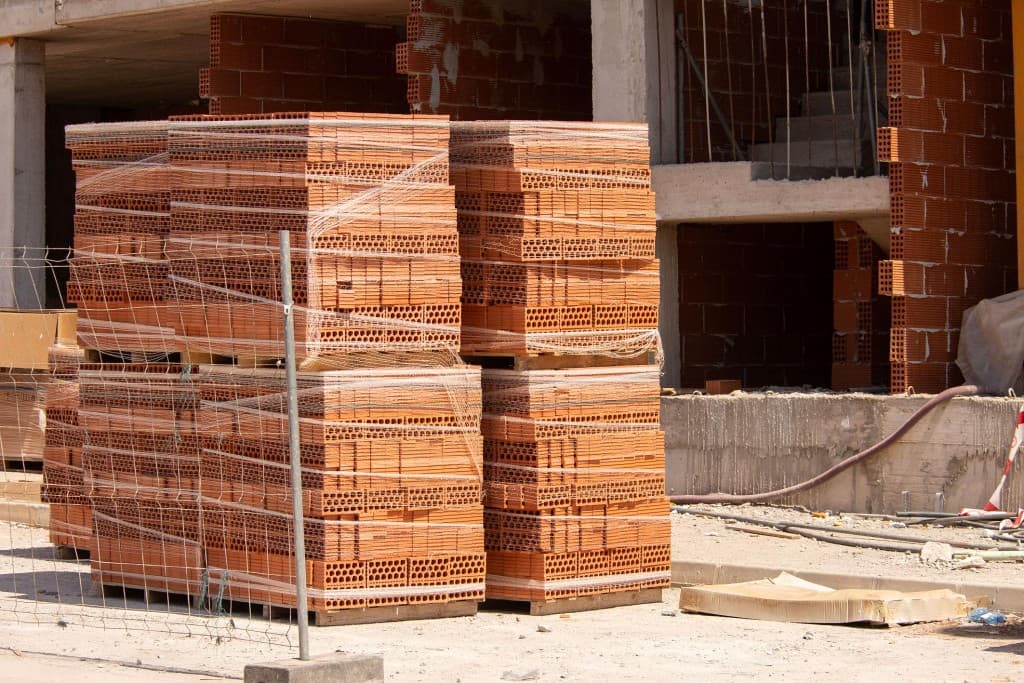
The availability of construction materials can fluctuate based on local demand and supply chain dynamics. In 2026, materials such as cement, sand, and bricks are expected to experience moderate price increases. Understanding where to source these materials and their cost implications can help in budgeting effectively. Below is a comparison table of common materials and their expected costs:
| Material | Estimated Cost (per unit) | Availability Status |
|---|---|---|
| Cement | ₹400 per bag | Stable |
| Sand | ₹1,000 per truck | Moderate |
| Bricks | ₹7 per brick | High Demand |
Permits and Regulations
Navigating the regulatory environment is essential when planning a construction project in Bangalore. As of 2026, certain permits are required to ensure compliance with local laws. Homeowners should be aware of zoning regulations, environmental clearances, and other necessary documentation to avoid delays in their construction timelines.
Local Cost Factors
Several local factors can influence the construction cost in Bangalore:
- Labor Costs: Skilled labor is essential for quality construction.
- Material Costs: Fluctuating prices due to market demand can affect budgets.
- Regulations: Compliance with local building codes can add to costs.
- Logistics: Transportation costs for materials can vary depending on the distance from suppliers.
Read more on TatvaOps Blog
For more insights and detailed guides on construction costs, visit our blog section for updates and resources.
Related construction cost guides
Key Insight Actions
Connected knowledge for Construction
Move between tutorials, discussions, shorts, and hubs without losing context.
Conclusion Intelligence
Was this helpful?
Let us know what you think
Most engaged users on this post


Discuss this article
Join the conversation
Share your thoughts, ask questions, or start a discussion below.
6 Comments
just checking
I'd like to know more about how the BOQ is prepared for these construction projects. Is it based on standard drawings or does it require site-specific assessments? Any details on this would be helpful.
The BOQ is typically prepared based on the architectural drawings and site measurements. However, it's always best to consult with a contractor or a quantity surveyor for accurate estimations.
You can also refer to the standard building codes and guidelines published by the local authorities for more information on BOQ preparation.
Understanding house construction costs is crucial for our project, and this article provides valuable insights, especially regarding material trends and regulations.
The labor rates mentioned in the article seem a bit on the higher side, especially considering the recent market trends in Bangalore.
Actually, the rates are based on the latest tender documents from BDA, so they should be fairly accurate.
As a contractor, I can attest that material trends and regulations play a huge role in determining construction costs. For instance, the recent ban on certain materials has led to a surge in prices, making it essential to revisit our drawings and site plans to ensure compliance and cost-effectivenes